THE MINDS THAT TURNED METAL, MYTH, AND SCENT INTO A SYSTEM
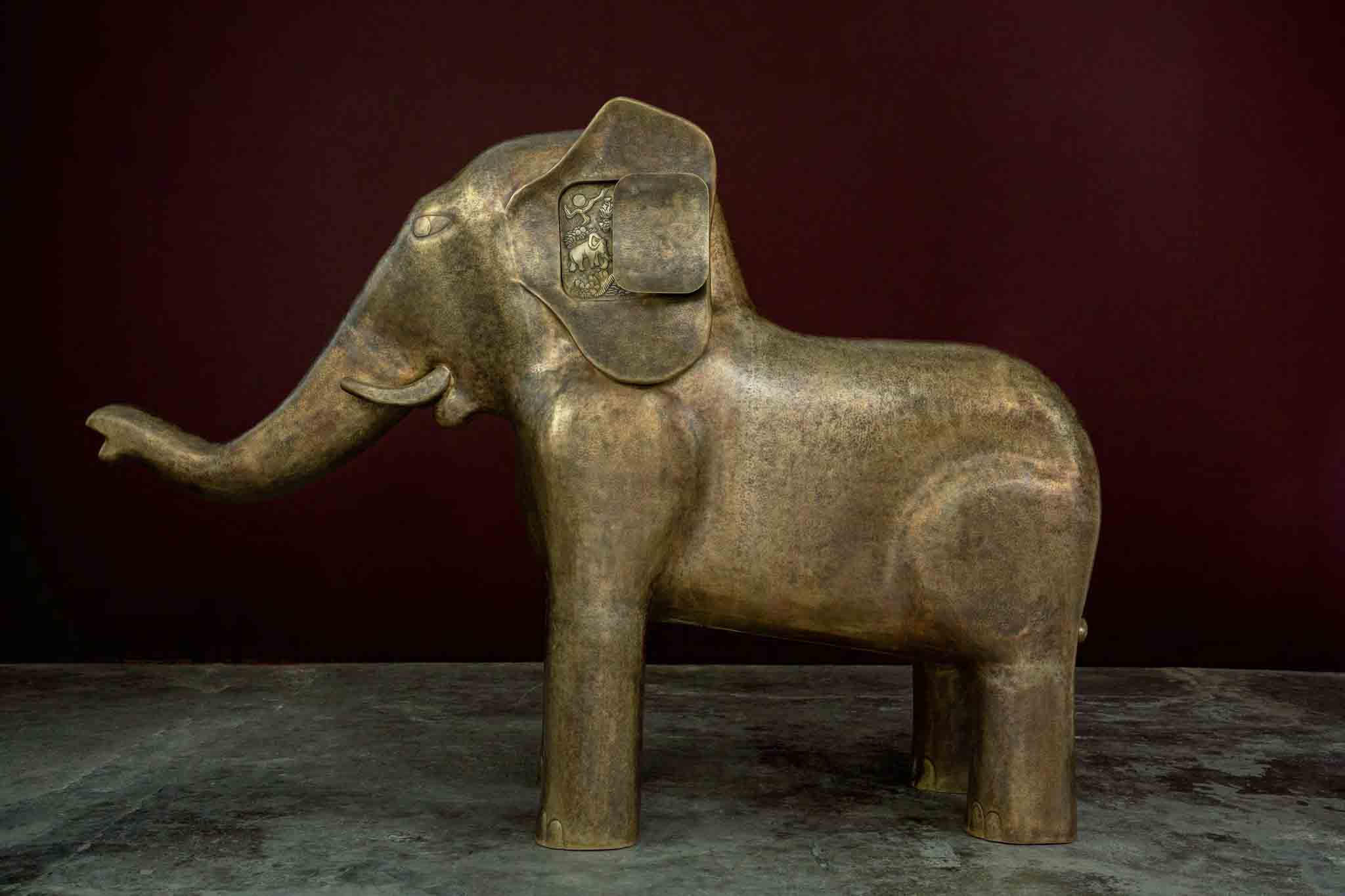
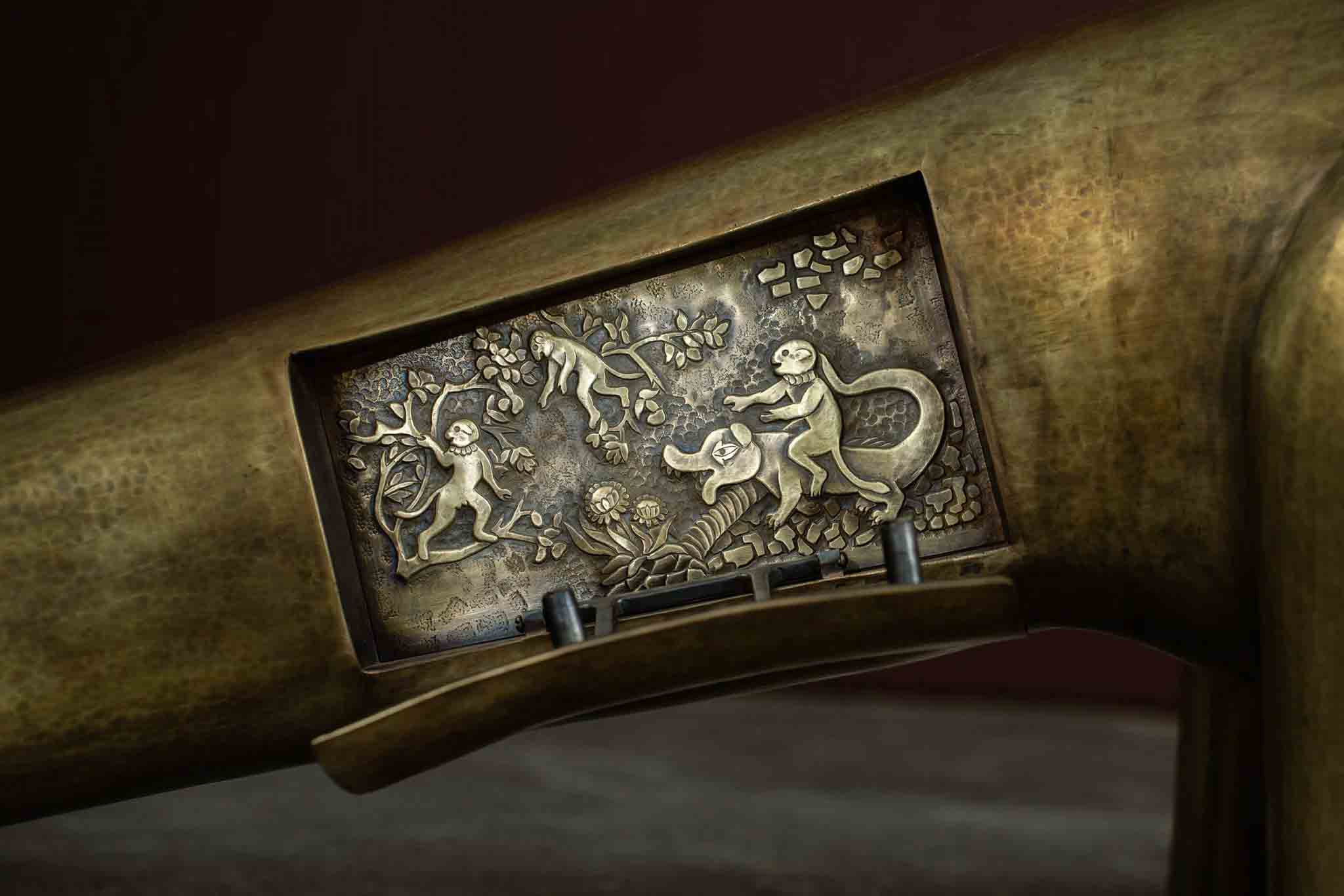
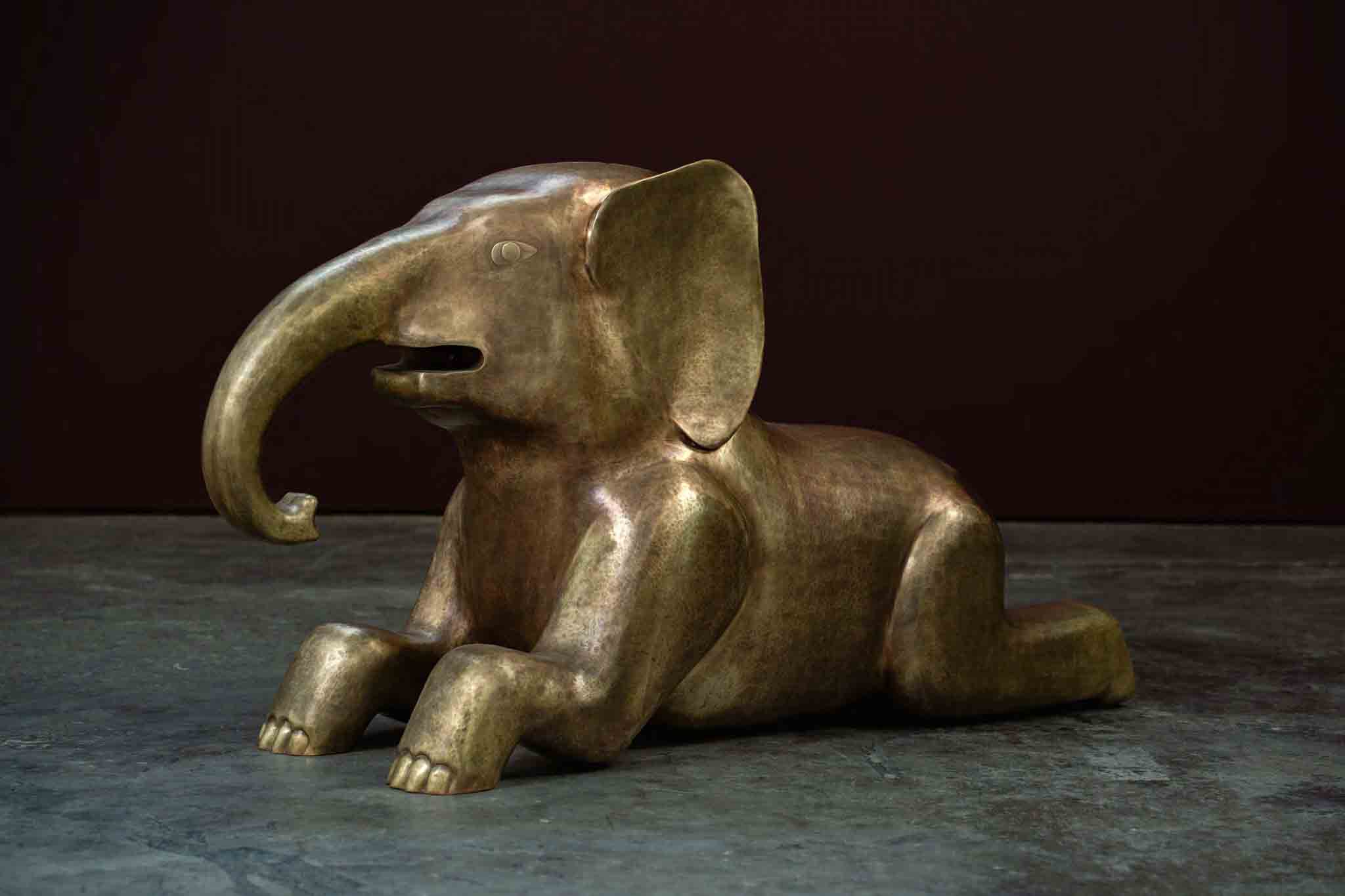
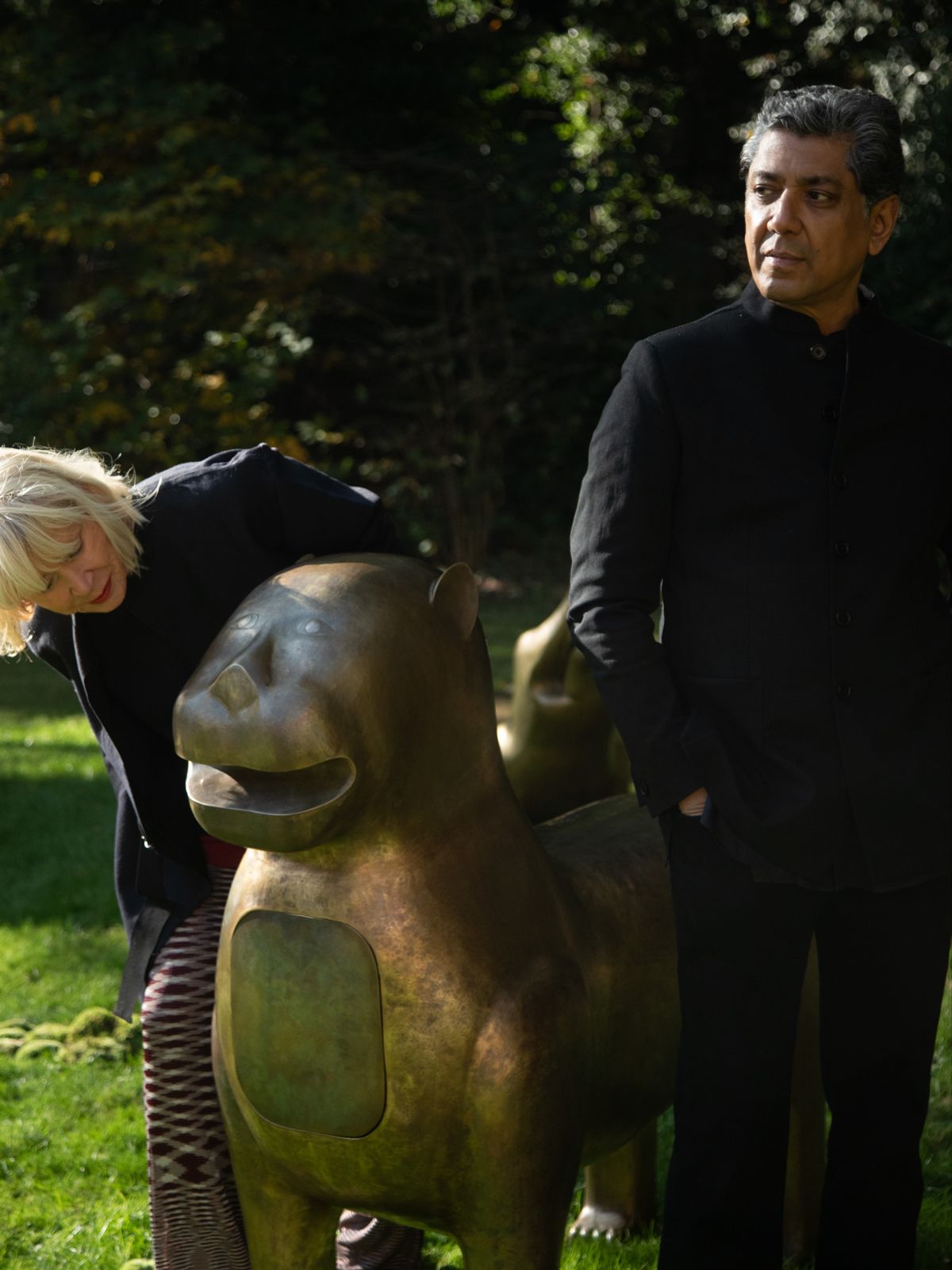
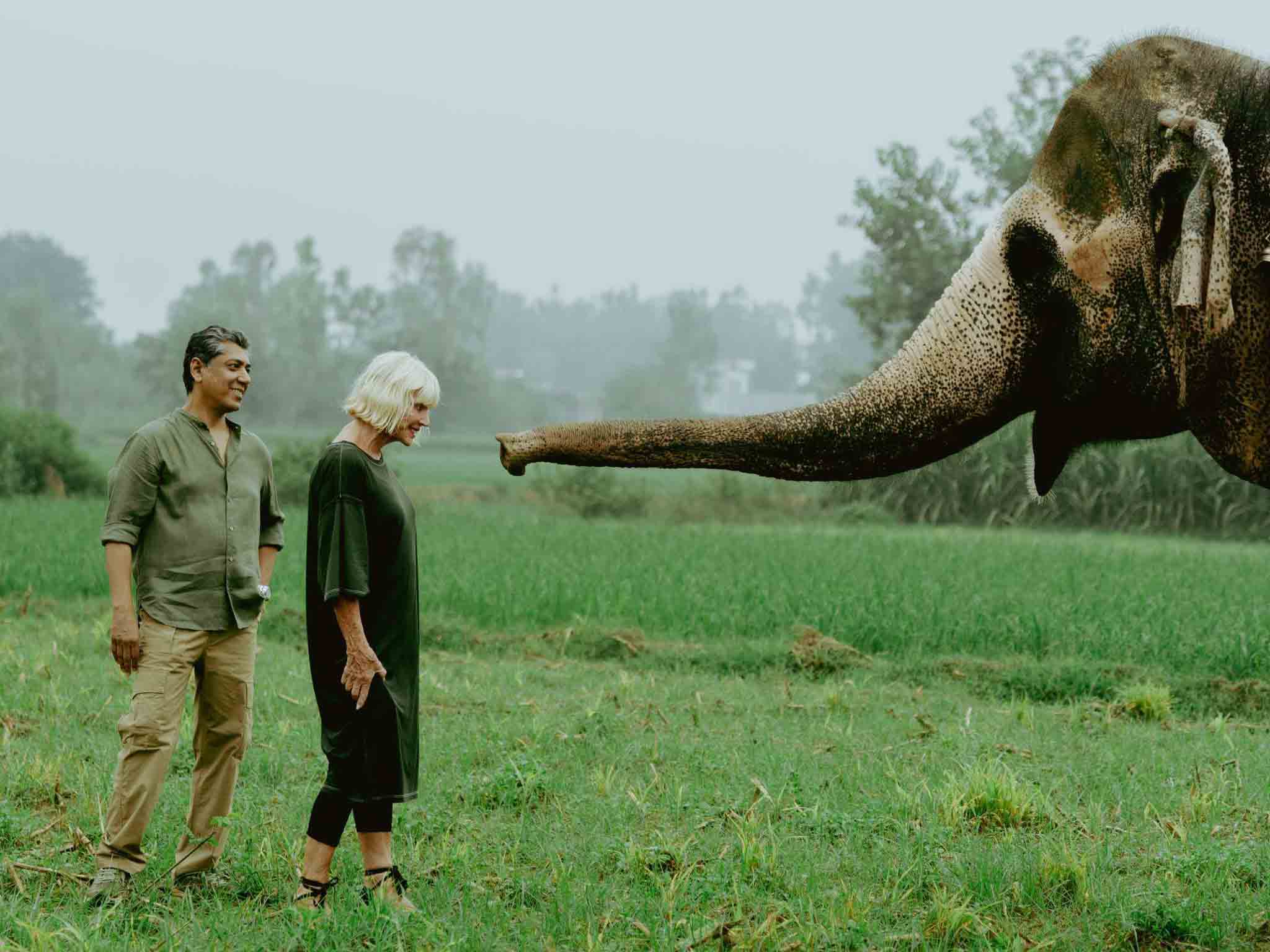
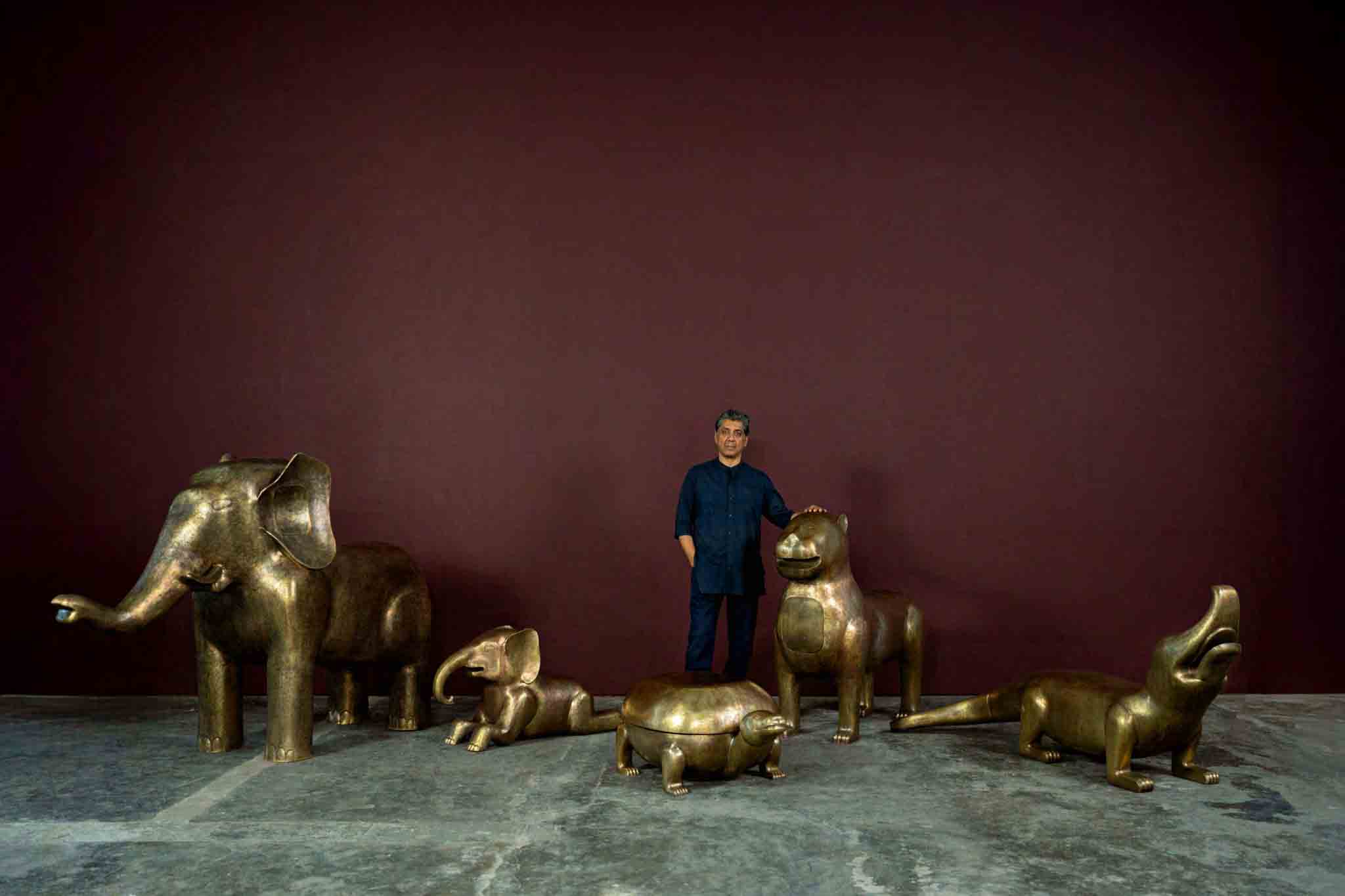
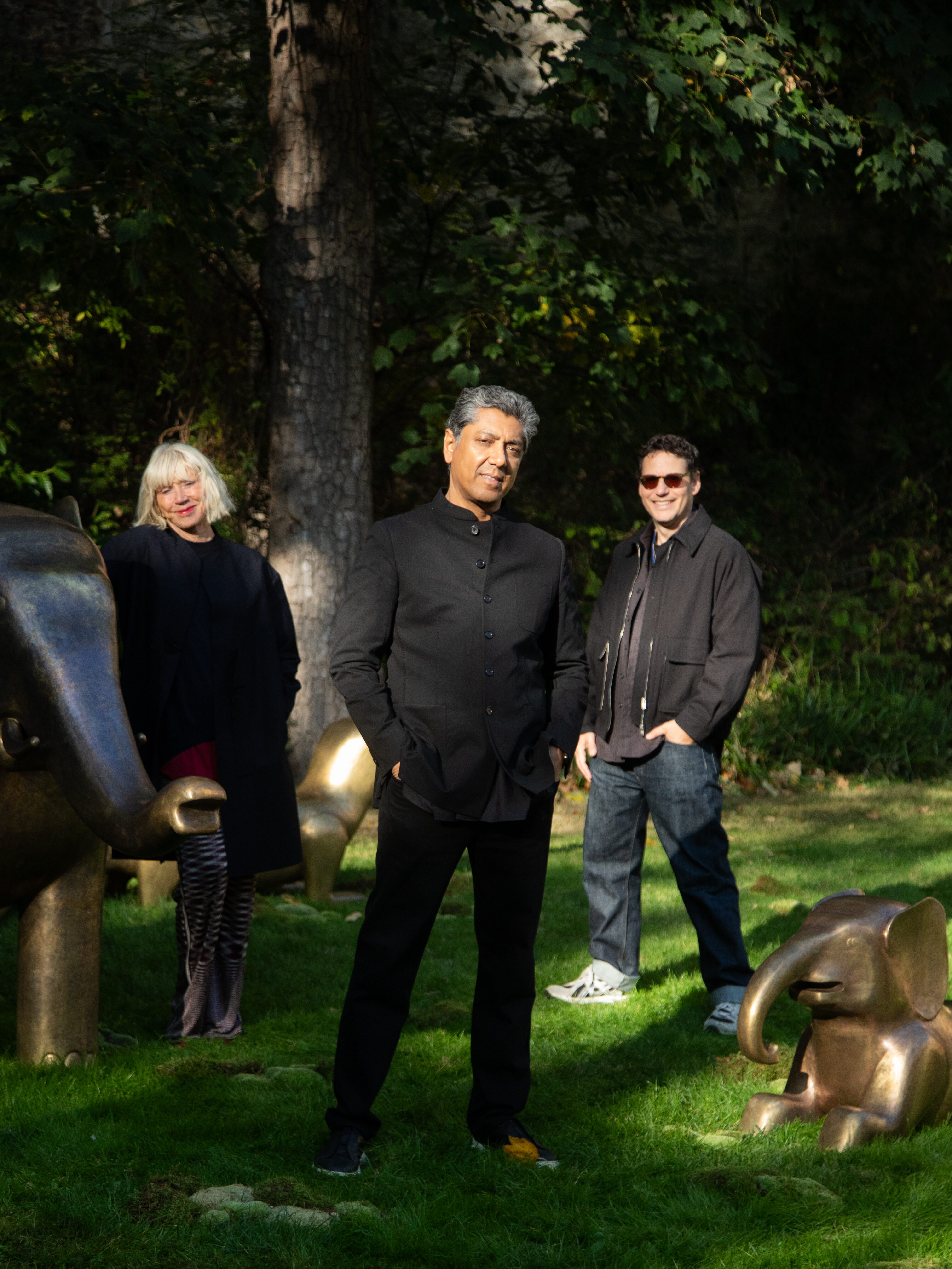
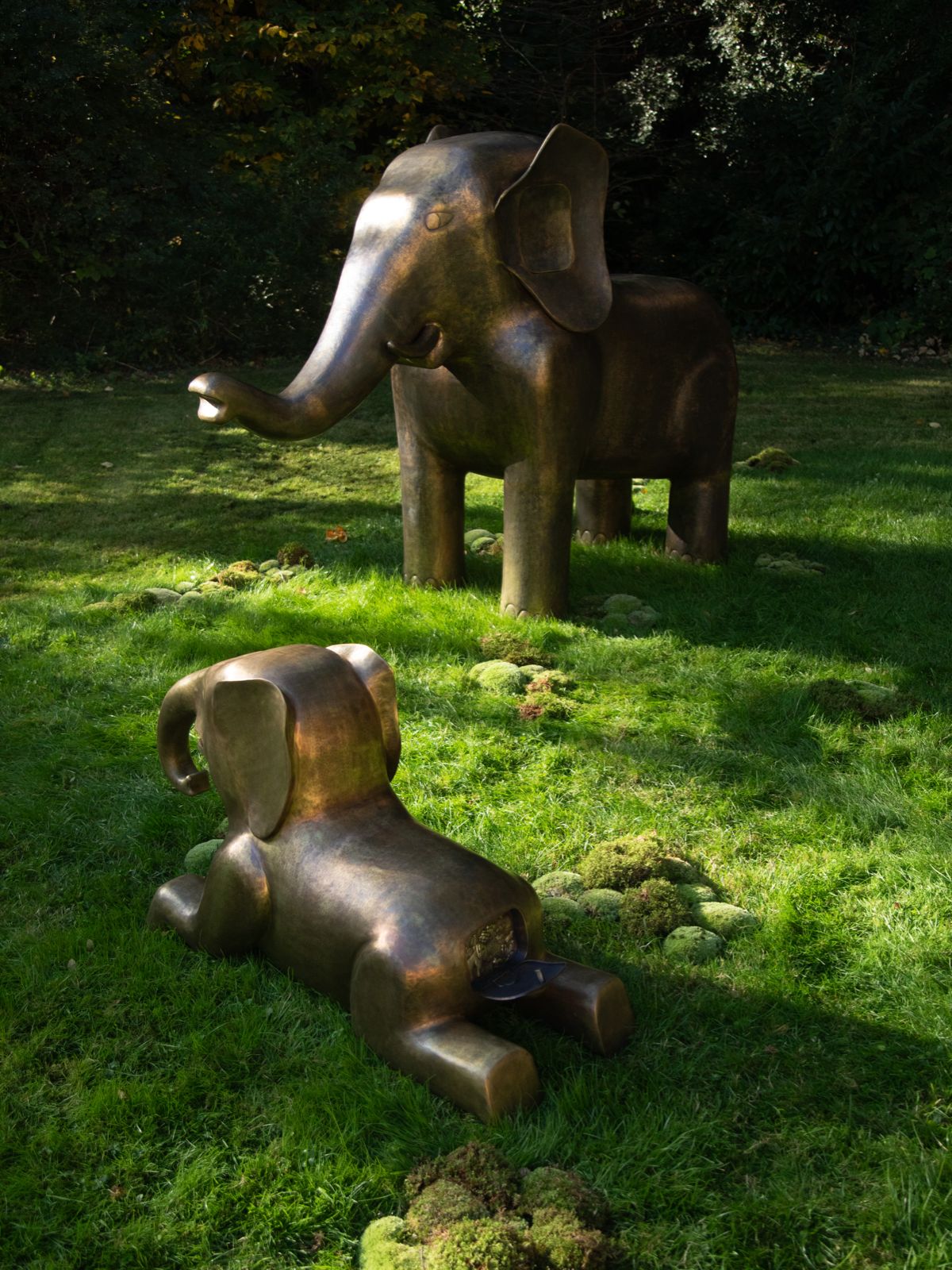
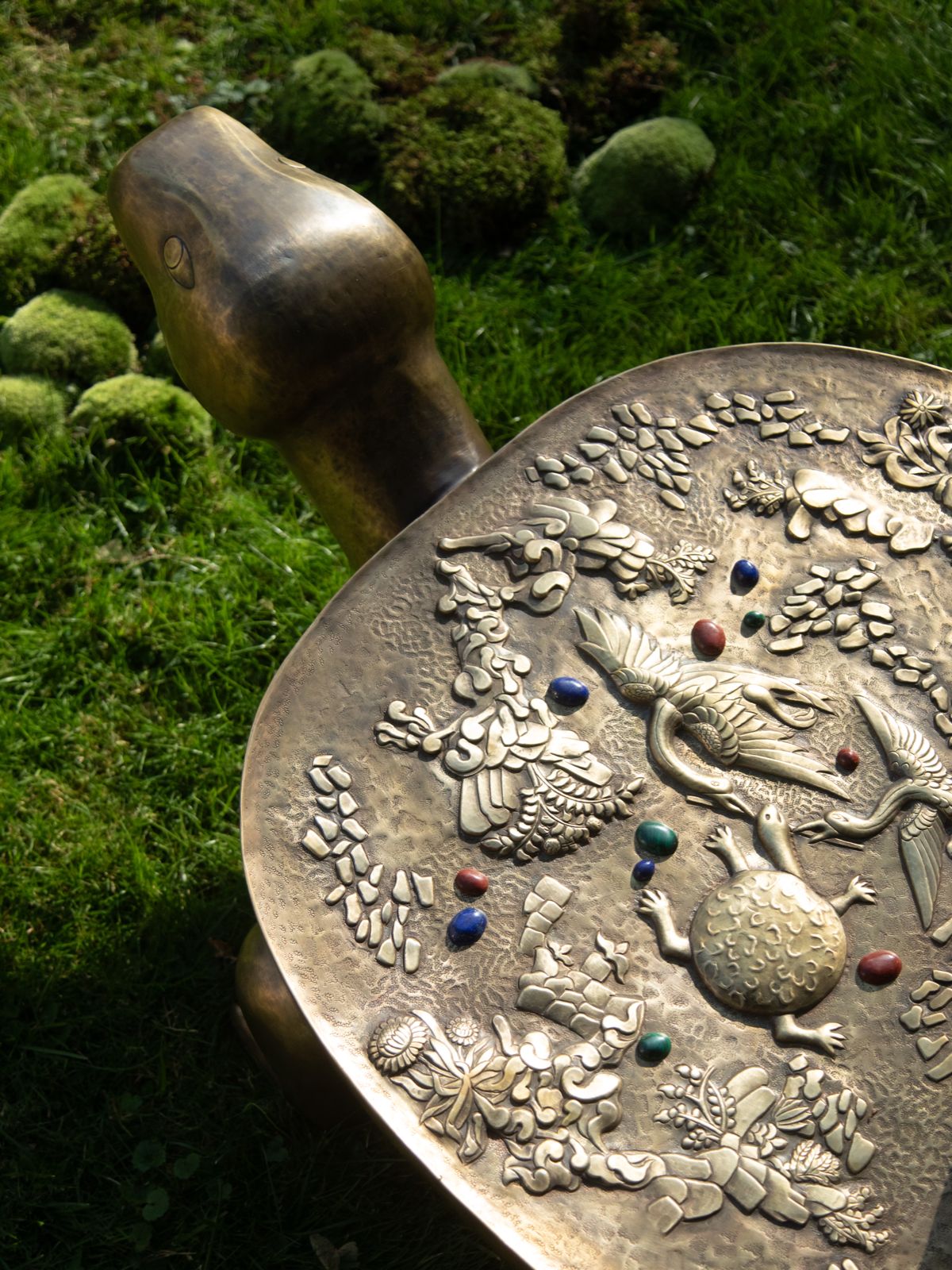
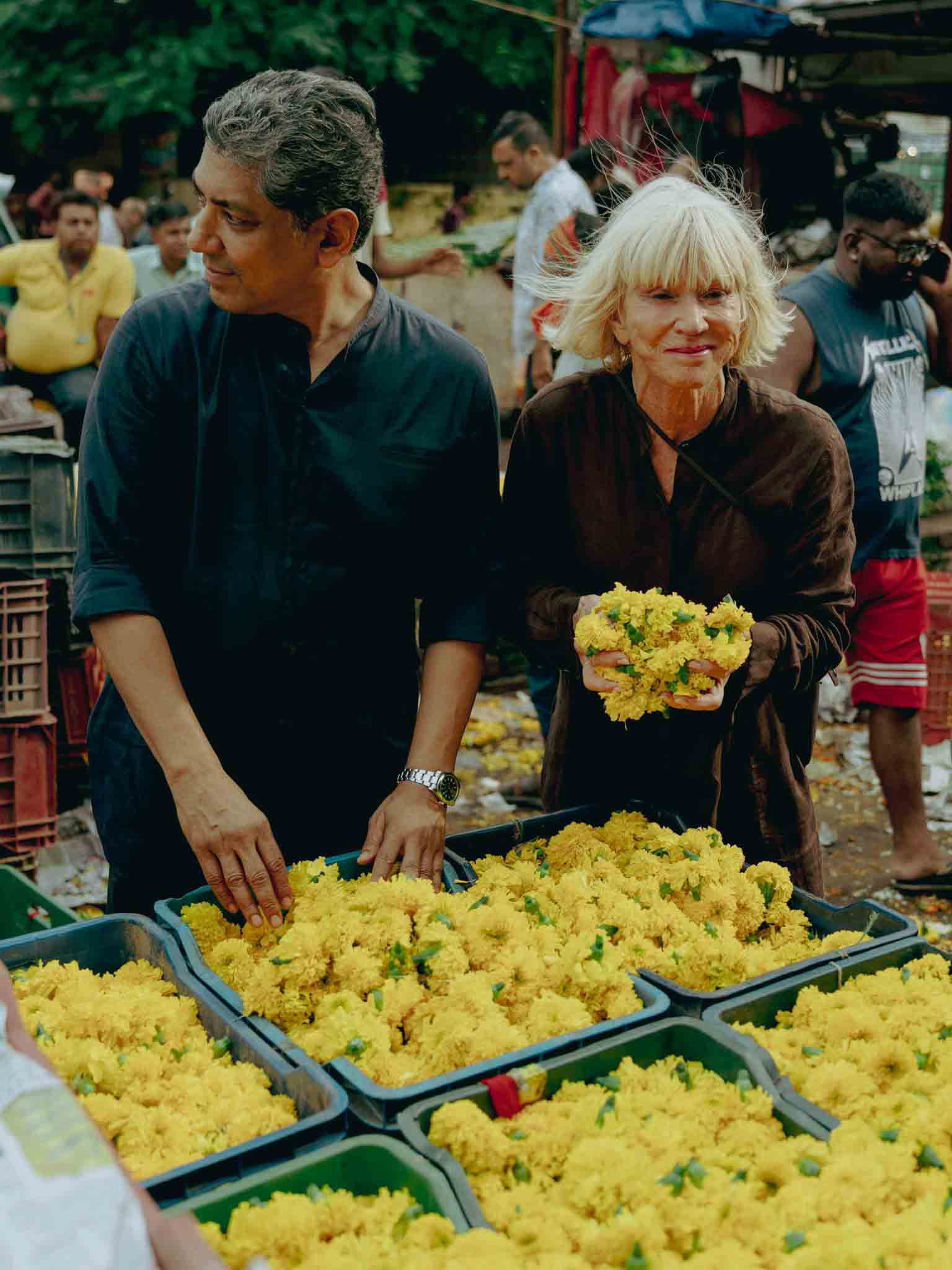
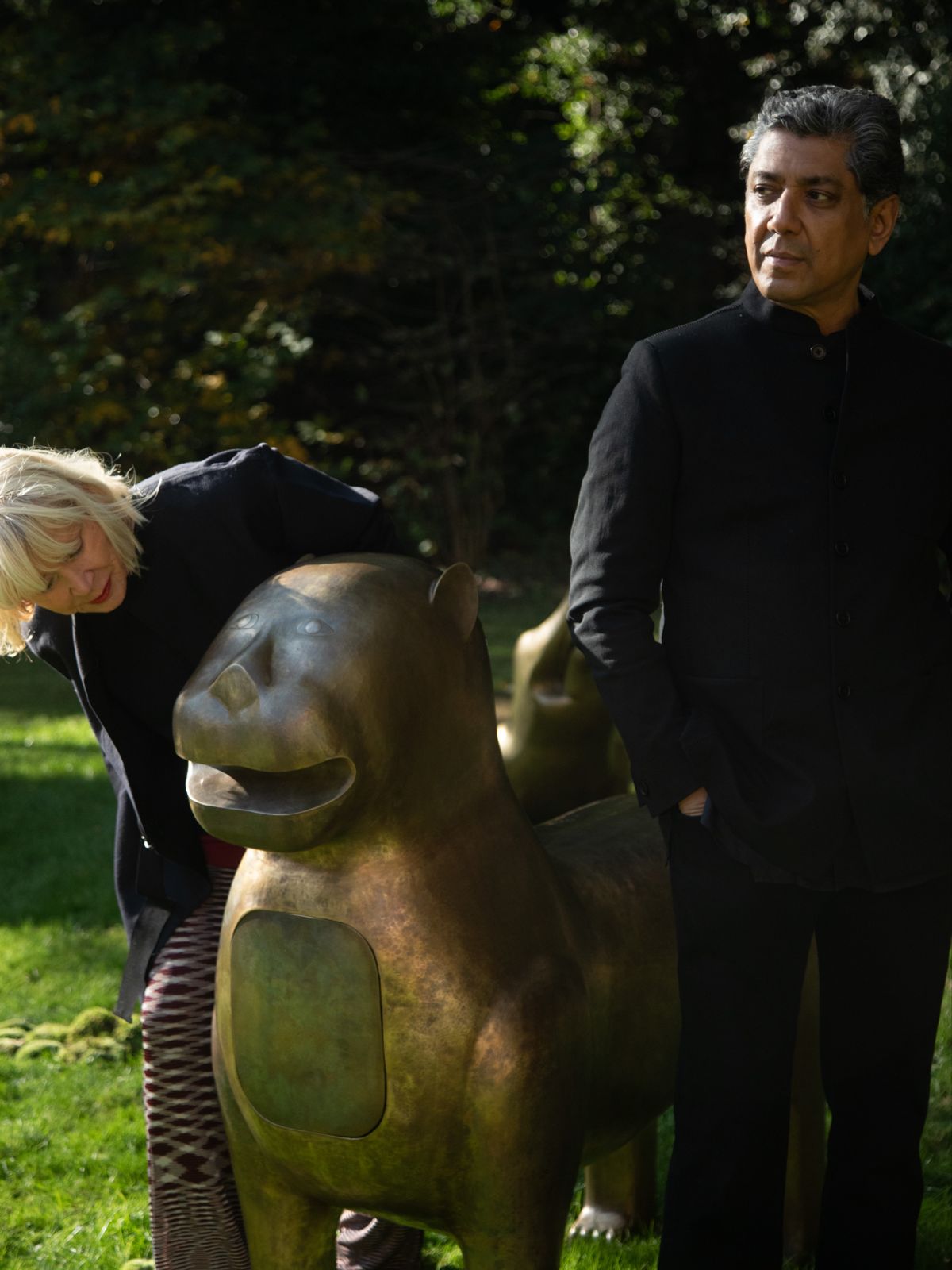
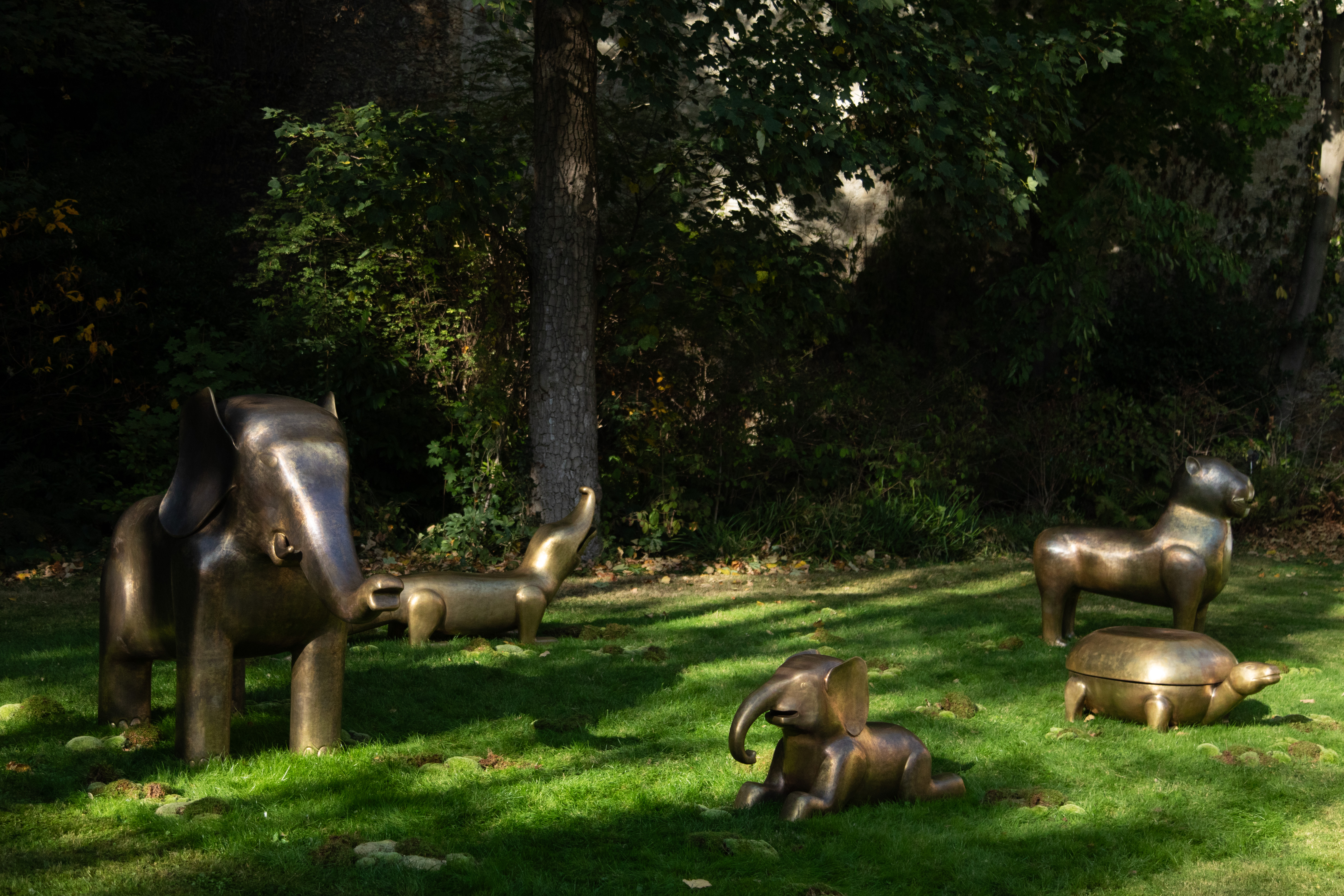
Vikram Goyal anchors the project with a practice shaped by deep technical discipline and cultural memory. His work consistently draws from India’s rapport with animals, where creatures carry wisdom rather than ornamentation. For The Soul Garden, he chooses figures with distinct temperaments. The elephant stands for communication and remembrance, the tiger for unforced strength, the tortoise for perseverance, and the crocodile for adaptability shaped by survival.
Each sculpture begins as a wooden maquette before stepping into metal, balancing monumentality with refinement. Goyal’s nod to twentieth-century animaliers such as Lalanne and Bugatti situates the work in a global lineage while keeping its foundation entirely Indian. His studio’s construction method gives the pieces a structural intelligence that feels deliberate rather than decorative.
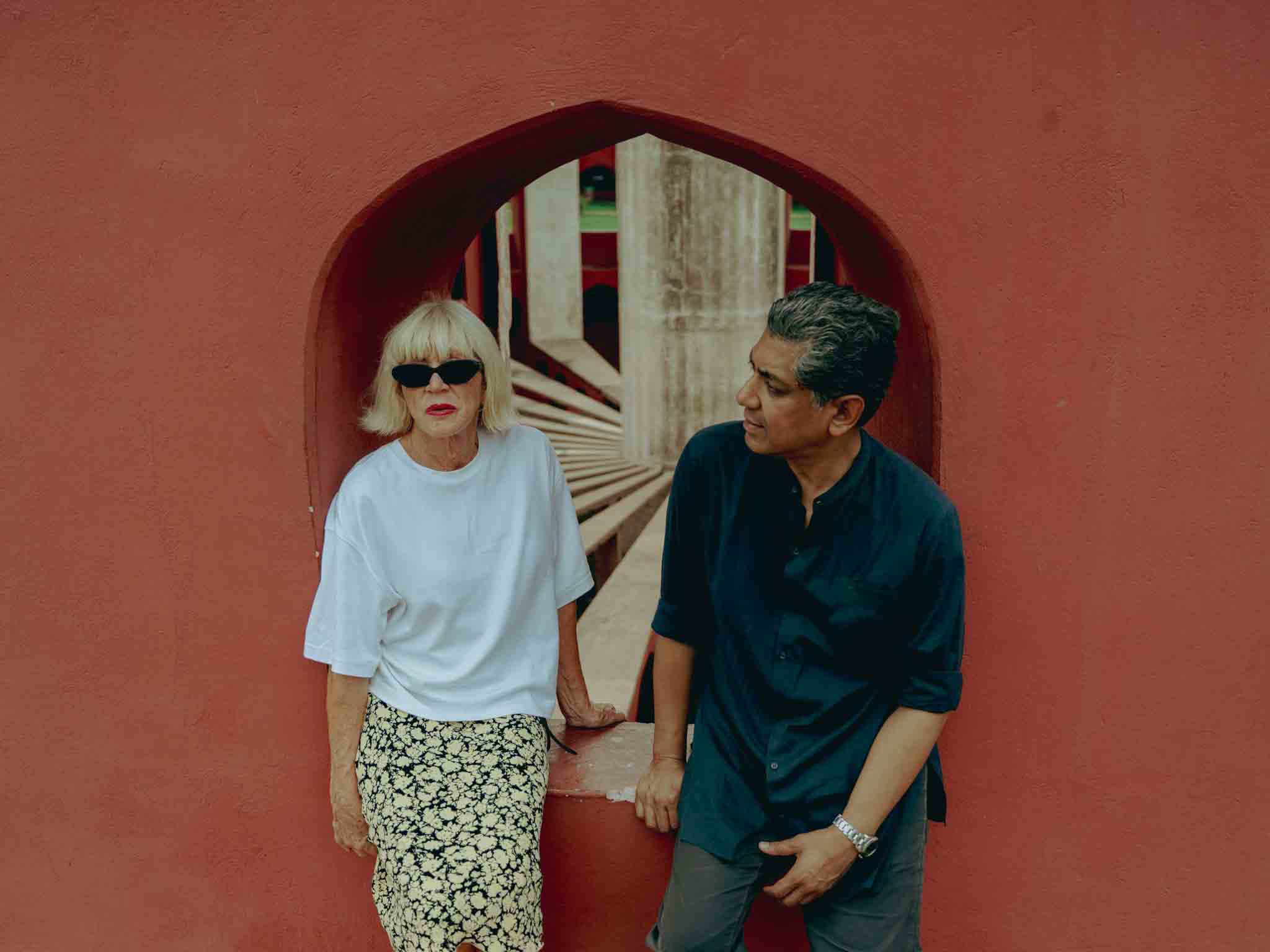
The installation gains its emotional charge through scent researcher Sissel Tolaas. She gathers molecular traces from the metalwork process, the air of the studio, and ecological cues tied to each animal’s environment. Her nanotech diffusion system releases these scent compositions with such subtlety that the garden feels responsive. The project is presented by The Future Perfect, under the guidance of David Alhadeff, whose gallery has long championed collectible design with conceptual depth. Their involvement frames The Soul Garden as a piece of design discourse rather than a static display.
Walking through The Soul Garden didn’t feel like observing another high-concept installation. It felt like being held accountable. The project reminded us that storytelling in design gains power only when it moves beyond visuals and enters behaviour. The way Goyal and Tolaas integrated craft, scent, and narrative made the space behave like a thinking organism. It pushed us to reconsider how cultural memory can be utilized without romanticizing or oversimplifying it. There was a clarity to the intent, a refusal to dilute complexity for aesthetic convenience, and that struck us immediately.
HOW BONAFIDE EXPERIENCED THIS PROJECT AS A CREATIVE TRIGGER
As a platform that thrives on human-centric design stories, we found ourselves absorbing how the installation used mythology not as nostalgia but as structure. The live readings, the talisman, the textures of the metal, the science woven into scent, everything worked together without competing for attention. It showed us that design can be emotionally intelligent without becoming sentimental. That lesson stays with us.
The Soul Garden left us with a very direct influence. It sharpened our appetite for narratives that hold cultural weight, not just visual appeal. It nudged us to build stories that don’t hover around objects but trace the intentions, contradictions, and responsibilities behind them. It reminded us that design becomes memorable when it respects depth and isn’t afraid of intensity.
For us, this project becomes a reference point for future storytelling. It reinforced our belief that creative work should remain conscious, culturally awake, and uncompromising in detail. The Soul Garden didn’t just inspire us. It calibrated us.